Why Materials Matter More Than You Think
Materials shape how decorative items feel look and age in your home. They influence warmth texture and mood right away. When you understand materials, you avoid random choices and create harmony instead.
Natural materials bring softness and depth. Wood adds warmth and character. Clay and ceramic feel grounded and artistic. Stone feels solid and timeless. These materials work well in modern and relaxed interiors alike.
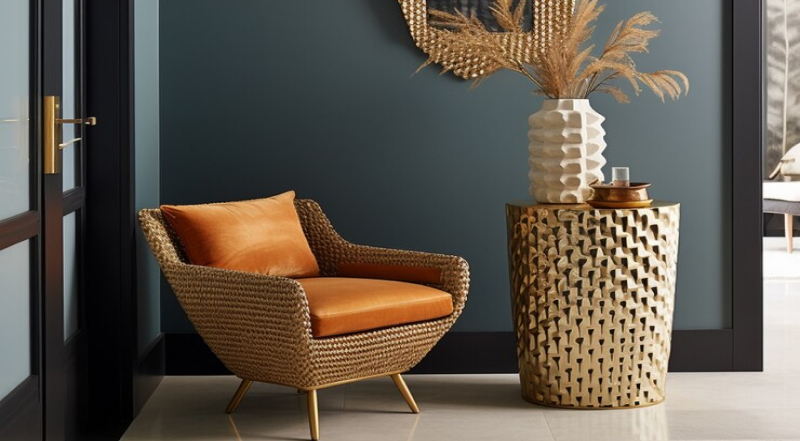
Man made materials bring flexibility. Glass reflects light and adds openness. Metal creates contrast and structure. Resin allows bold shapes and playful forms. Mixing natural and manmade materials keeps spaces balanced and interesting.
Wood Decorative Items and Their Appeal
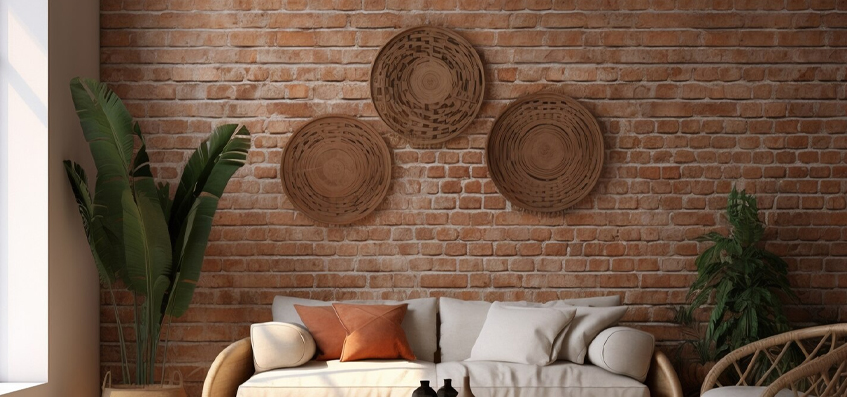
Wood feels familiar and welcoming. Decorative items made from wood suit many interior styles. Light wood works well in bright spaces. Dark wood adds depth and contrast.
Grain patterns make each piece unique. Smooth finishes feel clean and modern. Rough textures feel organic and relaxed. Wood works well for bowls trays frames and sculptural accents.
Wood pairs easily with other materials. It softens metal and balances glass. This makes it a reliable choice for layered decor.
Ceramic and Clay for Texture and Character
Ceramic and clay bring artistry into homes. These materials add texture and subtle variation. You often see small flaws that add charm.
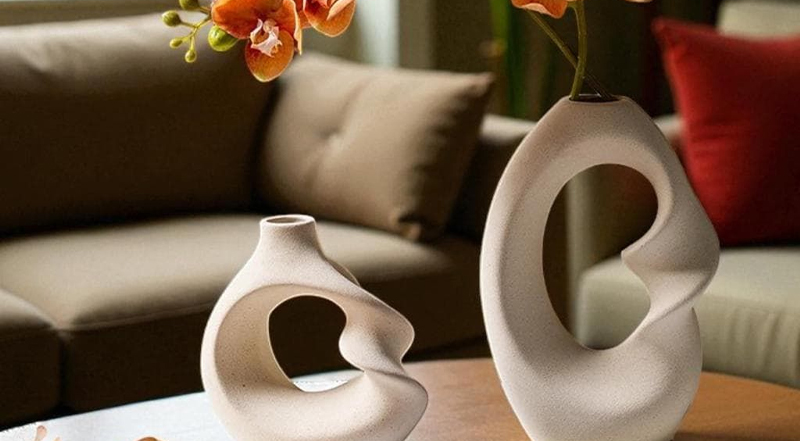
These items work well as vases planters and decorative bowls. Matte finishes feel calm. Glossy finishes add light and contrast. Neutral shades blend easily while bold colors create focal points.
Ceramic decor works across rooms. It suits living areas kitchens bedrooms and entryways with ease.
Glass Decorative Items for Light and Space
Glass creates openness. It reflects light and makes rooms feel airy. Decorative glass items work well in smaller spaces or darker corners.
Clear glass feels minimal. Tinted glass adds color without heaviness. Textured glass adds interest while staying subtle.
Glass pairs well with metal and wood. This mix feels modern and balanced. Use glass decor sparingly to avoid visual clutter.
Metal Decorative Items for Structure
Metal adds strength and definition. It introduces clean lines and sharp contrast. Decorative metal items often feel bold and intentional.
Warm metals feel inviting. Cooler metals feel sleek and modern. Brushed finishes feel softer than polished ones.
Metal works well in trays sculptures frames and lighting accents. Balance metal with softer materials to keep spaces welcoming.
Understanding Shapes and Their Impact
Shapes influence how a room feels. Rounded shapes feel soft and relaxed. Straight lines feel structured and organized. Mixing shapes keeps decor dynamic.
Curved decorative items soften angular furniture. Geometric shapes add interest in neutral spaces. Organic shapes feel natural and fluid.
When choosing shapes think about balance. Too many sharp forms feel rigid. Too many curves feel loose. Aim for contrast and harmony.
Sculptural Pieces as Visual Anchors
Sculptural decor acts as visual anchors. These pieces draw attention and guide the eye. You do not need many to create impact.
Look for interesting silhouettes. Size matters here. One well-chosen piece often works better than several small ones.
Place sculptural items where they breathe. Give them space on shelves consoles or tables so they stand out naturally.
Finishes That Define Style
Finishes shape the final look of decorative items. Matte finishes feel calm and understated. Glossy finishes add shine and energy.
Textured finishes add depth. Smooth finishes feel modern. Distressed finishes feel lived in and warm.
Choose finishes that support your space. A room with many smooth surfaces benefits from texture. A layered room benefits from clean finishes to balance things out.
Mixing Finishes Without Chaos
Mixing finishes works when done thoughtfully. Combine matte and glossy surfaces for contrast. Pair rough textures with smooth ones for balance.
Stick to a limited palette. This keeps the look cohesive. Repeating finishes across different items helps tie rooms together.
Avoid mixing too many styles at once. Let each finish play a clear role in the space.
Color Choices That Feel Natural
Color connects materials shapes and finishes. Neutral tones feel flexible and timeless. Earthy shades feel warm and grounded.
Use decorative items to introduce color gently. A vase cushion or sculpture adds interest without overwhelming the room.
Let one color repeat across items. This creates flow and continuity throughout the space.
Choosing Decorative Items Room by Room
Each room has its own needs. Living rooms suit layered textures and varied shapes. Bedrooms benefit from soft finishes and calming materials.
Entryways call for practical decor like trays bowls and mirrors. Dining areas shine with sculptural centerpieces and textured accents.
Think about function alongside style. Decorative items should support how you use each space.
Avoiding Common Buying Mistakes
Impulse buying often results in clutter. Pause and picture the item in your space. Think about scale shape and finish before choosing.
Avoid buying sets automatically. Individual pieces feel more personal and flexible. Build collections slowly over time.
Trust your instincts. If an item feels right, it usually works well.
Creating a Cohesive Look Over Time
Decorating does not happen all at once. Allow your home to evolve. Add pieces gradually and adjust as needed.
Rearranging items refreshes spaces without new purchases. Rotating decor keeps rooms feeling new and intentional.
Decorative items shine when they reflect your taste and lifestyle. Materials shapes and finishes guide your choices but your personality brings them together.
By understanding these elements, you create spaces that feel balanced expressive and comfortable every day.